

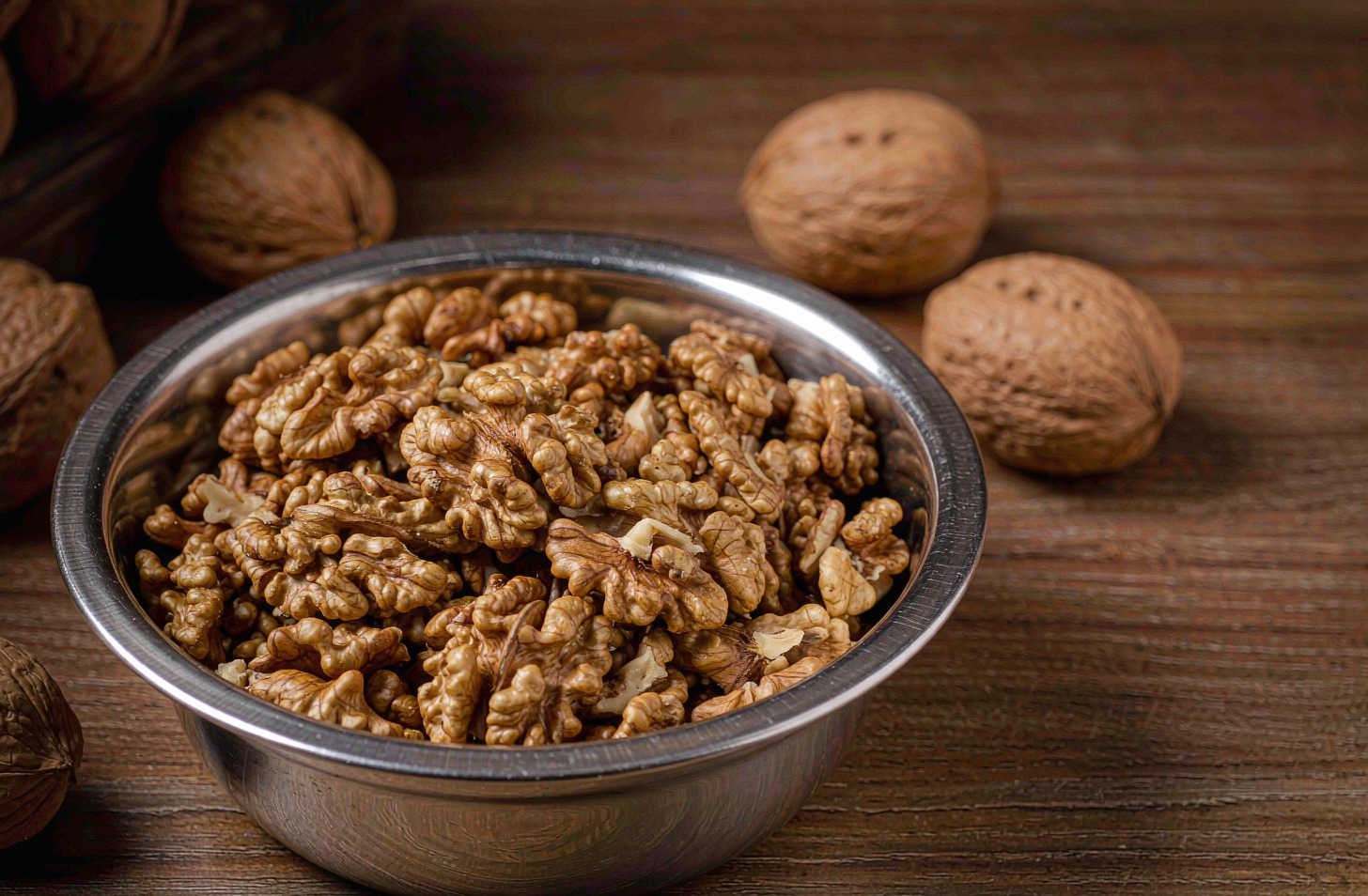
Bulk Walnut Kernels Supplier China: A Complete Buyer’s Guide
Sourcing bulk walnut kernels from a China supplier is a smart move for food manufacturers, snack brands, and wholesalers — but only if you vet the supplier correctly. China is one of the world’s largest producers and exporters of walnuts, and Inner Mongolia supplies some of the plumpest, most uniform kernels on the market thanks to its dry climate, big day–night temperature swings, and long sunshine hours. The key to a profitable purchase is choosing an exporter with real processing capability, verifiable food-safety certification, consistent grading, and a proven export track record. This guide covers exactly how to evaluate a Chinese walnut kernel supplier, what specifications to demand, which red flags to avoid, and how to run a low-risk first order.
If you are buying light halves, light quarters, light pieces, or amber grades for bakery, confectionery, retail private label, or industrial food production, the framework below applies whether your first order is 1 ton or 100 tons.
Why Buy Walnut Kernels from China
China is consistently among the top two walnut-producing countries in the world, with annual output of well over one million in-shell tonnes, according to FAO production statistics. For B2B buyers, Chinese origins offer four structural advantages:
- Scale and price competitiveness — large planted acreage in Xinjiang, Yunnan, Shanxi, and Inner Mongolia keeps ex-works pricing below most competing origins;
- Crop availability year-round — new crop arrives in autumn, but well-managed cold storage keeps quality stable through the export season;
- Modern processing capacity — leading exporters run automatic cracking, shelling, grading, color-sorting, and metal-detection lines under one roof;
- Mature export logistics — routine container shipments to Europe, the Middle East, North Africa, the Americas, Japan, and South Korea.
The main risk in the market is not origin quality — it is supplier inconsistency: color degradation between batches, mixed grades, excess moisture, or missing paperwork. A structured vetting process eliminates most of that risk before you wire a deposit.
Understanding Walnut Kernel Grades and Specifications
Walnut kernels are traded by color and size. Before you request quotes, decide which grade fits your application — otherwise every supplier will quote you a different lot and price.
| Grade | Description | Typical Application |
|---|---|---|
| Light halves (LH) | Whole halves, light color (L/LB) | Retail packs, snack mixes, premium bakery |
| Light quarters (LQ) | Quarter pieces, light color | Bakery, granola, confectionery |
| Light pieces (LP) | Broken pieces, light color | Food industry, nut butters, ice cream |
| Amber halves / pieces | Darker color, same taste | Processing, oil pressing, price-sensitive markets |
Color is the single biggest price driver: extra light and light grades command a premium over amber. Size uniformity matters almost as much for retail buyers, since visible broken content in a “halves” pack is a common complaint in destination markets.
Standard Export Specifications
| Parameter | Common Export Standard |
|---|---|
| Moisture | ≤ 5–6.5% |
| Purity | ≥ 99.5% kernel content, shell-free |
| Defects | ≤ 3–5% (broken, discolored, damaged per grade) |
| Foreign matter | None detected (metal detection mandatory) |
| Packing | 10 kg / 12.5 kg vacuum bags in cartons, or 25/50 kg PP bags |
| Shelf life | 12–24 months in cool, dry storage (vacuum packed) |
Insist on a written specification sheet plus a physical sample before contracting, and require that the pre-shipment lot matches the approved sample — not just the quotation.
6 Criteria for Choosing a Bulk Walnut Kernels Supplier in China
1. Food-Safety Certification You Can Verify
For edible kernels, certification is the first filter. A serious exporter should hold, at minimum:
- HACCP — hazard analysis and critical control points in the processing line;
- ISO 22000 — food-safety management systems (ISO 22000 overview);
- ISO 9001 — general quality management;
- HALAL / Kosher — required for Middle East, North Africa, and selected Asian and Jewish-market buyers;
- BRC or IFS — increasingly demanded by European retailers and multinational food manufacturers.
Ask for the certifying body name, certificate number, and validity date, and confirm the scope covers the actual shelling plant. Genuinely certified suppliers volunteer this instantly; vague answers are a signal to walk away.
2. In-House Processing and Grading Capability
The difference between a factory and a middleman shows up in consistency. Look for:
- Automatic cracking and shelling lines — uniform breakage patterns and less kernel damage;
- Electronic color sorting — removes discolored and moldy kernels faster and more consistently than manual sorting alone;
- Metal detection — non-negotiable for food export compliance;
- Vacuum packing — protects against oxidation and moisture on long sea voyages;
- Cold or climate-controlled storage — keeps peroxide value and free fatty acids low through the shipping season.
An integrated plant that shells, grades, sorts, and packs under one roof gives you far more control than a trading company buying from scattered small mills.
3. Origin Advantage and Crop Control
Suppliers located inside or near the production belt — such as Hohhot, Inner Mongolia — buy fresher in-shell walnuts at harvest, control storage themselves, and pass shorter farm-to-port lead times to you. Ask the supplier directly:
- Where do you source in-shell walnuts — your own region or the open market?
- What was this season’s harvest quality vs. last season?
- How long do kernels sit in storage before packing?
4. Quality Control Data, Not Just Promises
Professional exporters provide objective numbers with every lot:
- Moisture content and peroxide value test results;
- Color ratio (percentage of light vs. amber in the lot);
- Microbiological reports — salmonella, E. coli, total plate count, where required;
- Third-party inspection (SGS, Bureau Veritas, Intertek) accepted before shipment.
5. Export Experience in Your Market
Regional know-how saves weeks. A supplier already shipping to Europe, the Middle East, Japan/Korea, or South America knows your documentation rules — certificate of origin, phytosanitary certificate, health certificates, and market-specific labeling. Test their trade fluency with these questions: Can they quote FOB, CIF, and DDP correctly for your port? Do they prepare the full document set routinely? Can they share references from buyers in markets like yours?
6. Samples, Trial Orders, and Communication
Photos and videos are not proof. Run this minimum sequence:
- Request pre-shipment samples; check color, aroma, moisture feel, and uniformity yourself;
- Place a trial order of 1–5 tons and inspect the actual delivered lot;
- Ask for two or three buyer references in comparable markets;
- Arrange a factory visit or live video audit and compare what you see with the certificates;
- Measure responsiveness — a supplier that answers slowly before the order answers slower after it.
Red Flags When Sourcing Walnut Kernels from China
- Cannot name or show the actual processing plant;
- Certificates that are expired, unverifiable, or from unknown bodies;
- Quotes far below the prevailing market range — quality or grade substitution is usually the hidden cost;
- Refuses samples, written specifications, or third-party pre-shipment inspection;
- Demands 100% advance payment with no letter-of-credit or escrow option for a first order;
- Sends “half halves, half quarters” photos instead of graded, labeled lot images.
Why Ouji International Is a Trusted Bulk Walnut Kernels Supplier
Hohhot Ouji International Co., Ltd. (Ouji International) is an agricultural food exporter headquartered in Hohhot, Inner Mongolia, in the heart of China’s walnut and nut production belt. Established in 2013, the company operates 2 processing plants with 6 automatic production lines, supplying walnut kernels, walnuts in shell, cashews, pecans, pumpkin seeds, and sunflower seeds to buyers across Europe, the Americas, Japan and South Korea, the Middle East, North Africa, and South America.
What bulk buyers typically value when working with Ouji:
- Origin-based sourcing — direct access to Inner Mongolia and Xinjiang crop, fresher stock, shorter farm-to-port lead times;
- Integrated processing — automatic shelling, grading, color sorting, metal detection, and vacuum packing in-house;
- Export-ready documentation — full customs paperwork plus third-party inspection support as standard;
- Market coverage — 10+ years of foreign trade experience serving both end users and trading companies;
- Responsive service — fast quotes, samples, and after-sales support across time zones.
Frequently Asked Questions
What is the MOQ for bulk walnut kernels from China?
Most exporters accept trial orders of 1–5 tons. Standard container loads are about 12–13 tons (20 ft) or 24–26 tons (40 ft) depending on packing format.
Which walnut kernel grade should I buy for retail packs?
Light halves (LH) for premium retail, light quarters (LQ) for bakery and granola, and light pieces (LP) for industrial processing. Color drives price — extra light commands the highest premium.
How is walnut kernel quality tested before shipment?
Standard checks include moisture (≤ 5–6.5%), color ratio, purity, peroxide value, and microbiological testing. Third-party inspection (SGS, Intertek, Bureau Veritas) can be arranged before container loading.
How are walnut kernels packed for export?
Typically 10 kg or 12.5 kg vacuum-sealed bags inside cartons, or 25/50 kg PP bags. Vacuum packing extends shelf life to 12–24 months in cool, dry storage.
What documents are needed to import walnut kernels from China?
Commercial invoice, packing list, bill of lading, certificate of origin, phytosanitary certificate, and market-specific certificates (HALAL, Kosher, or health certificates) depending on destination.
Conclusion
A good bulk walnut kernels supplier from China is one you can verify: certified processing plants, written specifications, graded lots that match approved samples, and routine export experience in your market. Fix the grade and quality parameters in writing, test with samples and a small trial order, and keep third-party inspection in the loop until trust is established.
If you are sourcing walnut kernels in bulk — light halves, quarters, or pieces, contact Ouji International for samples, current specifications, and export pricing. We will match the right grade to your application and ship it on time, anywhere in the world.