

Shine Skin Pumpkin Kernel Exporter: A Complete Buyer’s Guide
Finding the right Shine Skin pumpkin kernel exporter is the difference between a container that sells out and one that sits in customs. Shine Skin kernels are the smooth, light-green pumpkin seed kernels prized by snack manufacturers, bakeries, and nut roasters across Europe, the Middle East, and North America. Because they are hulled, uniform, and mild in flavor, they command a premium over GWS or Snow White grades — but only when quality, certification, and documentation are consistent from lot to lot.
This guide explains what importers should look for in a Shine Skin pumpkin kernel exporter from China, how to compare specifications and certifications, and how to avoid the common sourcing mistakes that add cost and delay to your shipment.
What Are Shine Skin Pumpkin Kernels?
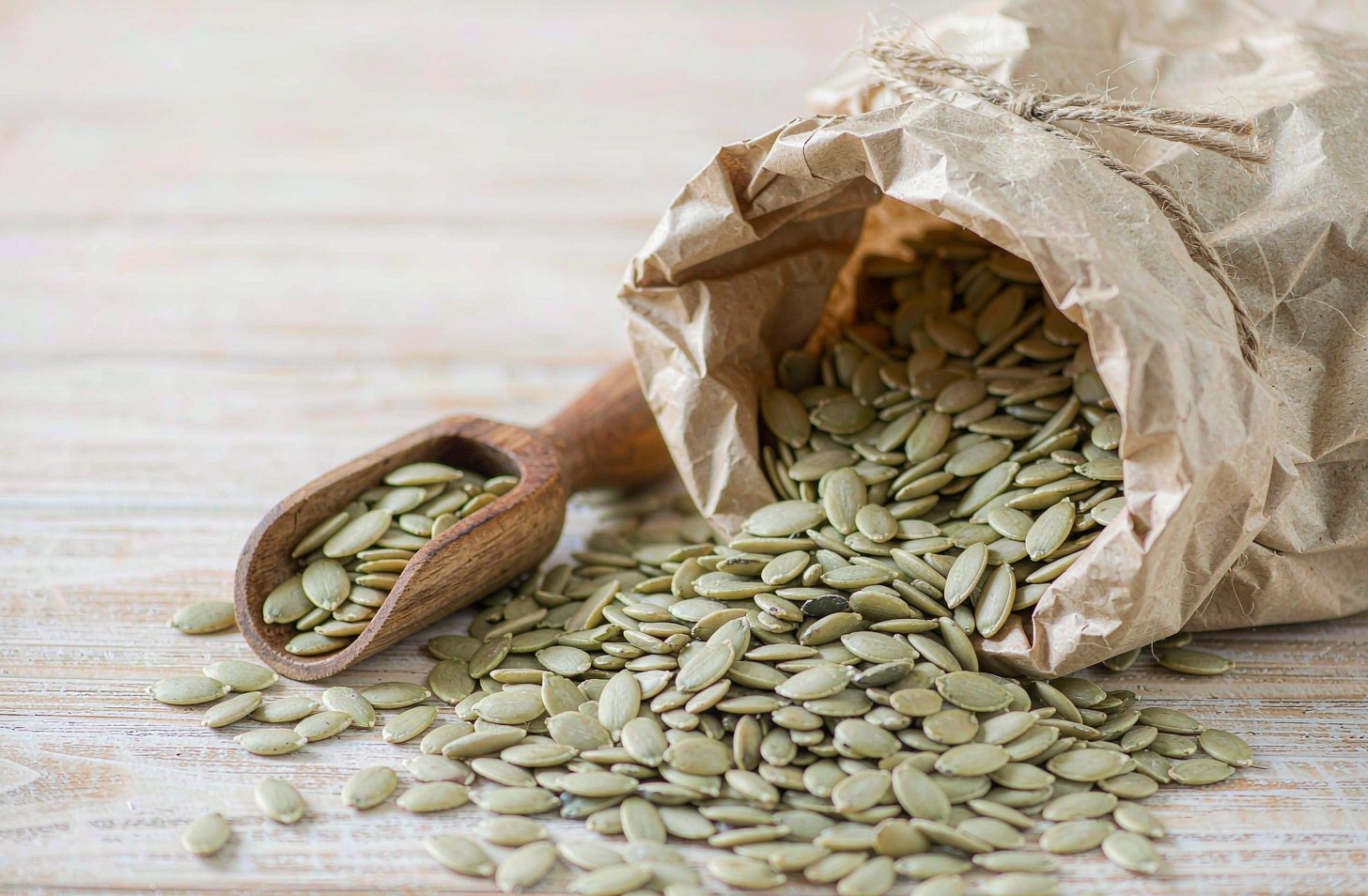
Shine Skin pumpkin kernels come from the Cucurbita pepo varieties commonly grown in northern China. After harvest, the seeds are cleaned, hulled, sorted, and polished. The result is a whole, light-green kernel with a smooth, shiny outer surface — hence the name “Shine Skin.”
Buyers typically classify Shine Skin kernels by:
- Size — AAA (large), AA (standard), and A (small) grades measured by kernels per 100 g or per ounce;
- Color — light green to medium green, with higher-value lots showing consistent color;
- Purity — the percentage of whole kernels versus broken pieces, shell fragments, or foreign matter;
- Moisture — usually ≤ 8% for safe storage and export.
Shine Skin kernels are eaten as a standalone roasted snack, blended into trail mixes, pressed for oil, or used as a topping for bread, salads, and confectionery. Their versatility makes them one of the most traded pumpkin kernel grades worldwide.
Why Source Shine Skin Pumpkin Kernels from China
China produces the majority of the world’s pumpkin seeds and kernels, with Inner Mongolia accounting for a large share of premium Shine Skin output. The region’s cool nights, low humidity, and long daylight hours produce plump, uniform seeds with high kernel yield.
Key advantages of sourcing Shine Skin pumpkin kernels from China include:
- Scale — large planting areas and integrated processing clusters keep supply stable through the season;
- Processing maturity — automatic hulling, sieving, color sorting, and metal detection are standard in modern plants;
- Variety depth — suppliers can offer Shine Skin, GWS, Snow White, and hulled kernel grades from the same region;
- Competitive export pricing — farm-to-port logistics are shorter and more cost-efficient than most competing origins;
- Experienced exporters — Chinese suppliers are familiar with HALAL, Kosher, BRC, and retailer audit requirements.
The main risk is not origin; it is supplier consistency. Kernel color, size, and purity can vary between batches if the exporter lacks strict grading and pre-shipment inspection.
How to Choose a Reliable Shine Skin Pumpkin Kernel Exporter
1. Verify Export Certifications
A professional kernel exporter should provide current certificates that match your market. Standard documents include:
- HACCP / ISO 22000 — food-safety management systems;
- ISO 9001 — quality management system;
- HALAL certificate — required across the Middle East, Southeast Asia, and parts of Africa;
- Kosher certificate — needed for Jewish-market retailers and North American/European buyers;
- BRC / IFS / GFSI-recognized standards — increasingly requested by European supermarkets and industrial buyers.
Ask for the certifying body, certificate number, validity date, and scope. The scope should specifically include the plant and products you are buying.
2. Inspect Processing and Quality Control
Not every exporter owns its processing plant. Some are trading companies that buy from multiple smaller mills, which increases lot-to-lot variation. Before ordering, confirm:
- The exporter owns or directly manages hulling, grading, and sorting lines;
- Color sorters and metal detectors are used on every lot;
- Hand-picking or optical sorting is available for premium AAA grades;
- Moisture, admixture, and purity are tested before shipment and reported in a COA.
Integrated plants in Hohhot, Inner Mongolia — such as those operated by Ouji International — are well positioned to control quality from raw seed to container.
3. Lock Specifications Before Sampling
Request a written specification sheet that matches your end use. Typical Shine Skin pumpkin kernel export specs are shown below.
| Parameter | AAA Grade | AA Grade | A Grade |
|---|---|---|---|
| Size (kernels / 100 g) | 380–420 | 420–480 | 480–540 |
| Purity | ≥ 99.95% | ≥ 99.90% | ≥ 99.50% |
| Broken / split | ≤ 2% | ≤ 3% | ≤ 5% |
| Moisture | ≤ 7.5% | ≤ 8.0% | ≤ 8.5% |
| Admixture | ≤ 0.02% | ≤ 0.05% | ≤ 0.10% |
| Color | Light green, uniform | Green, mostly uniform | Green to light green |
| Typical packing | 25 kg vacuum PP bags | 25 kg PP bags | 25 kg PP bags |
Specifications vary by buyer and market. Always align the contract with the pre-shipment sample and inspection report.
4. Confirm Export Documentation Capability
A reliable exporter should prepare standard export paperwork without delay. Typical documents for pumpkin kernel shipments from China include:
- Commercial invoice and packing list;
- Bill of lading or airway bill;
- Certificate of origin;
- Phytosanitary certificate;
- Health certificate or food-safety declaration, when required;
- HALAL / Kosher / third-party test reports as agreed.
For first-time buyers, arranging third-party inspection (SGS, Bureau Veritas, or Intertek) before shipment adds confidence and reduces dispute risk.
5. Test with Samples and a Trial Order
Photos and certificates are not enough. The responsible sourcing sequence is:
- Request a pre-shipment sample from the current crop and evaluate color, size, smell, taste, and purity;
- Place a small trial order (1–5 tons) to test packing, shipping time, and documentation;
- Arrange third-party inspection on the trial shipment;
- If results match the specification sheet, negotiate annual or quarterly container orders.
Common Quality Problems and How to Avoid Them
| Problem | Cause | Prevention |
|---|---|---|
| Rancid or off-flavor | High moisture or old crop | Specify moisture ≤ 8% and current crop year |
| Discolored kernels | Poor sorting or mixed grades | Require color-sorting report and visual sample |
| Shell fragments or foreign matter | Weak hulling or sieving | Set purity and admixture limits in contract |
| Broken kernels | Rough handling or over-drying | Request handling SOP and breakage limit |
| Documentation delays | Inexperienced exporter | Confirm document list and timeline before payment |
Why Work with Ouji International
Hohhot Ouji International Co., Ltd. is an agricultural food exporter based in Hohhot, Inner Mongolia, the center of China’s pumpkin seed and kernel production belt. Since 2013, the company has supplied walnuts, walnut kernels, cashews, pecans, sunflower seeds, pumpkin seeds, and Shine Skin pumpkin kernels to buyers in Europe, the Americas, Japan and South Korea, the Middle East, North Africa, and South America.
Ouji International operates with 2 processing plants and 6 automatic production lines, covering cleaning, hulling, grading, color sorting, metal detection, and vacuum packing. The team handles export documentation, third-party inspection support, and after-sales service, making the supplier a practical fit for buyers who need consistent quality and reliable delivery.
Frequently Asked Questions
What is the difference between Shine Skin and GWS pumpkin kernels?
Shine Skin kernels have a smooth, shiny outer surface and a light-green color. GWS (Grow Without Skin) kernels are softer and lighter because they grow without the tough outer seed coat. Shine Skin is generally preferred for roasting and snack packs; GWS is often used in bakery and confectionery applications.
Which grade of Shine Skin pumpkin kernel is best for retail packs?
AAA grade is best for retail snack packs because of its large size, uniform color, and low broken kernel rate. AA grade works well for bulk food manufacturing and further processing.
What is the standard MOQ for Shine Skin pumpkin kernels from China?
Trial orders can start at 1–5 tons. Full container shipments usually begin at 12–13 tons (20 ft container) or 24–26 tons (40 ft container), depending on packing and destination.
Do Shine Skin pumpkin kernels need HALAL or Kosher certification?
For Middle Eastern, Southeast Asian, and Jewish-market buyers, HALAL and Kosher certificates are usually required. Always confirm which certificates your market accepts and verify validity dates before shipment.
How should Shine Skin pumpkin kernels be stored after delivery?
Store kernels in a cool, dry place away from direct sunlight and strong odors. Vacuum-packed bags typically have a shelf life of 12 months when stored below 15 °C and 60% relative humidity.
How do I verify a Shine Skin pumpkin kernel exporter is legitimate?
Check business registration, request a live or recorded factory tour, evaluate a physical sample, place a trial order, and use third-party inspection on the first shipment. A reliable exporter will support all of these steps transparently.
Conclusion
Choosing a Shine Skin pumpkin kernel exporter is about more than price. Importers should verify certifications, lock specifications into the contract, test samples, and confirm that the exporter can deliver consistent quality with complete export documentation. Inner Mongolia-based exporters such as Ouji International offer origin advantage, integrated processing, and export experience that reduce risk for B2B buyers.
If you are sourcing Shine Skin pumpkin kernels in bulk, contact Ouji International for samples, current crop specifications, and export pricing. We will help you match the right grade to your market and deliver it on time.