

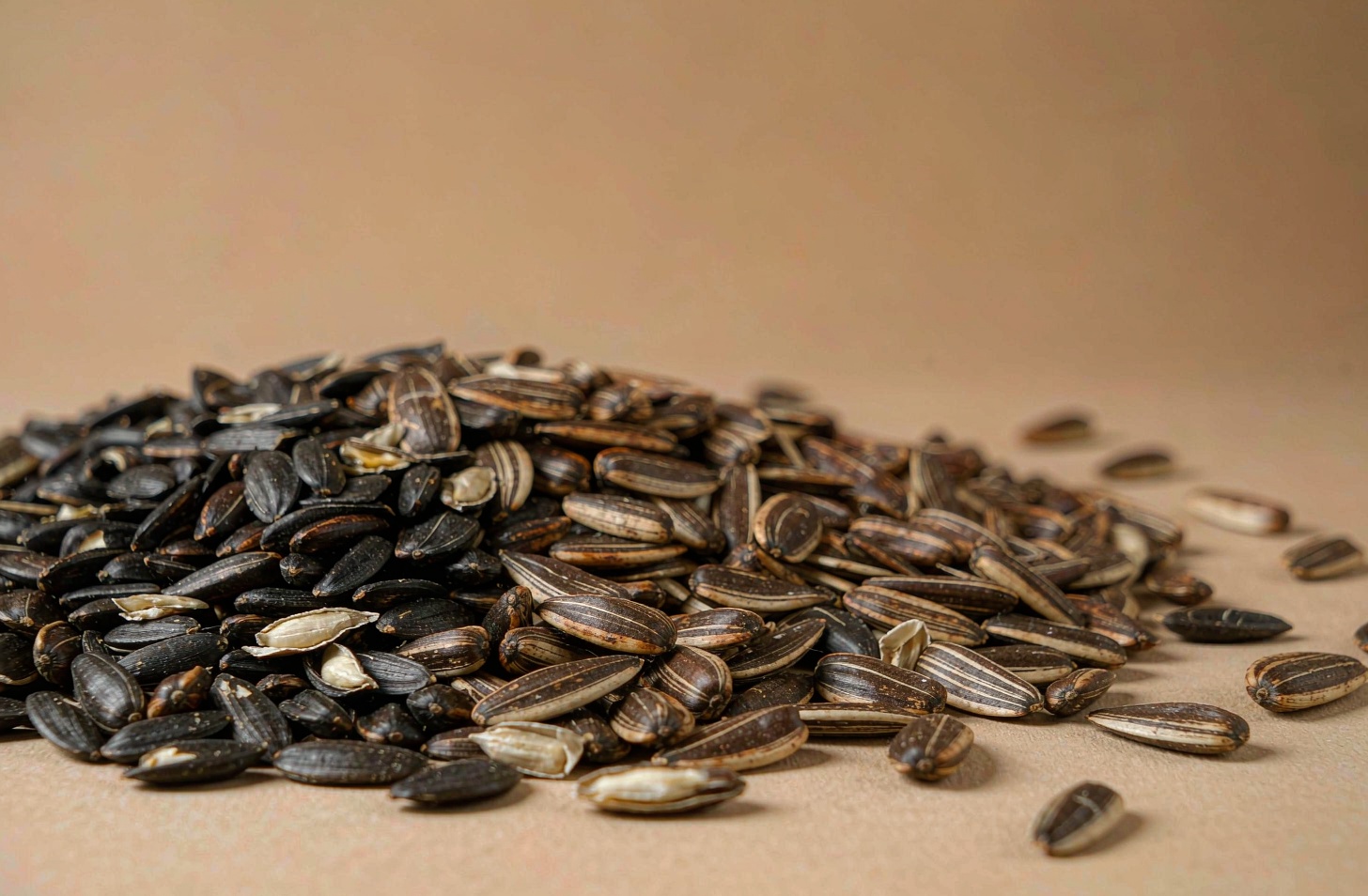
Sunflower Seeds Supplier for Global Buyers: A Complete Guide
A reliable sunflower seeds supplier for global buyers must deliver more than a competitive price. Importers need consistent quality, transparent processing, export-ready certification, and logistics experience that spans continents. Whether you are a snack manufacturer in Europe, a wholesale distributor in the Middle East, or a food trader in North Africa, choosing the right supplier determines your margin, your shelf life, and your reputation. This guide explains what global buyers should look for in a sunflower seed exporter and how Ouji International supports bulk procurement from China.
China is one of the world’s largest producers of sunflower seeds and sunflower kernels. Inner Mongolia, Xinjiang, and parts of Northeast China produce millions of tons annually, supplying both domestic roasting plants and export markets. For B2B buyers, the key question is not whether China has enough supply — it is whether your supplier can consistently meet your specification, documentation, and delivery expectations.
Why Global Buyers Source Sunflower Seeds from China
Chinese sunflower seeds have become a staple raw material for snack brands, bakeries, confectionery companies, and bird-feed manufacturers worldwide. The main reasons importers choose Chinese origin include:
- Scale and availability — large growing regions produce 363/381, 5009, 601, 3638, and other popular varieties in volume;
- Competitive farm-gate pricing — integrated cultivation and processing keep costs lower than many Black Sea or Argentine origins;
- Variety range — striped sunflower seeds, black sunflower seeds, hulled sunflower kernels, and confectionery grades from the same sourcing base;
- Processing maturity — modern cleaning, gravity separation, color sorting, and bagging lines;
- Export infrastructure — well-established routes to Europe, the Middle East, Southeast Asia, Japan, South Korea, and the Americas.
The challenge for global buyers is supplier fragmentation. Many small traders resell product from multiple origins without controlling quality. A professional sunflower seeds supplier for global buyers should own or tightly manage processing capacity and provide full traceability from farm to container.
What Defines a Global-Ready Sunflower Seeds Supplier
1. Certifications Recognized in Your Market
Food safety is non-negotiable. Before sampling, confirm the supplier holds current certificates relevant to your destination:
- ISO 22000 / HACCP — food safety management systems;
- ISO 9001 — quality management;
- HALAL — required across the Middle East, North Africa, and parts of Southeast Asia;
- Kosher — important for Jewish-market retailers and North American/European buyers;
- BRC / IFS — increasingly requested by EU retailers and major food manufacturers;
- Phytosanitary certificate — mandatory for most agricultural seed imports.
Always verify the certificate body and expiry date. A legitimate supplier will send scanned copies and scope pages without delay.
2. Controlled Processing and Grading Lines
Bulk sunflower seed quality depends on post-harvest handling. Ask your supplier to detail each step:
- Pre-cleaning — removes straw, stones, and dust after harvest;
- Gravity separation — sorts by density to remove empty or insect-damaged seeds;
- Color sorting — optical machines remove discolored, moldy, or foreign seeds;
- Size grading — separates 363/381 (large), 5009 (medium-large), 601 (medium), and small sizes;
- Hand picking — final visual inspection for premium grades;
- Metal detection — standard for food-grade export lots.
Suppliers with integrated processing plants reduce the risk of cross-contamination and grade substitution. Ask for a live video tour or third-party factory audit before your first full order.
3. Clear, Written Specifications
Never rely on photos or verbal promises. A professional contract should state:
- Variety and grade — e.g., 363/381 striped, 5009 striped, 601 black, sunflower kernel;
- Purity — typically 99%, 99.5%, or 99.9% for kernels;
- Moisture — max 9–10% for seeds, 8% for kernels to prevent rancidity;
- Admixture — max 0.1–0.5% depending on grade;
- Broken and imperfect seeds — max percentage by grade;
- Packing — 25 kg or 50 kg PP bags, vacuum packs, or retail pouches;
- Container load — 13 tons (20 ft) or 24–26 tons (40 ft) depending on bag weight.
4. Export Documentation and Logistics Support
Global buyers need a supplier who speaks the language of international trade. Confirm the supplier can prepare:
- Commercial invoice and packing list;
- Bill of lading or airway bill;
- Certificate of origin;
- Phytosanitary certificate;
- Quality/weight inspection certificate (CIQ or third-party);
- Insurance and customs clearance support;
- Letter of credit (LC) experience for high-volume orders.
Experienced suppliers also coordinate SGS, Bureau Veritas, or Intertek pre-shipment inspection at the loading port.
Popular Sunflower Seed Varieties for Export
| Variety | Type | Common Use | Target Markets |
|---|---|---|---|
| 363 / 381 | Large striped | Roasted snacks, retail packs | Europe, Middle East, Americas |
| 5009 | Medium striped | Snacks, confectionery | MENA, East Asia |
| 601 | Black oil / confectionery | Bird feed, oil crush, snacks | Global |
| 3638 | Striped | Roasting and dehulling | China domestic + export |
| Sunflower kernels | Hulled | Bakery, cereal, snacks | Europe, North America, Asia |
Red Flags When Choosing a Sunflower Seeds Supplier
- Vague origin claims — cannot name the growing region or processing plant location;
- Refusal to send samples — every serious supplier ships samples before contract;
- Inconsistent quotes — prices swing dramatically without market reason;
- Missing certificates — or certificates issued by unrecognized bodies;
- No inspection support — resists third-party quality checks at loading;
- 100% advance payment demanded — standard terms usually include LC or deposit + balance against BL.
Why Ouji International Is a Trusted Sunflower Seeds Supplier for Global Buyers
Hohhot Ouji International Co., Ltd. (Ouji International) is an agricultural food exporter based in Hohhot, Inner Mongolia, operating since 2013. The company works with two production processing plants and six automatic production lines, supplying sunflower seeds, sunflower kernels, pumpkin seeds, walnuts, pecans, and cashews to buyers in Europe, the Americas, Japan and South Korea, the Middle East, North Africa, and South America.
For global sunflower seed buyers, Ouji International offers:
- Origin proximity — sourcing directly from Inner Mongolia and Xinjiang growing belts;
- Stable supply — multi-origin procurement reduces weather and crop-risk exposure;
- Integrated processing — cleaning, gravity sorting, color sorting, grading, and metal detection under controlled conditions;
- Certification support — HACCP, ISO 22000, ISO 9001, HALAL, Kosher, and market-specific documentation;
- Export experience — 10+ years serving B2B importers, distributors, and food manufacturers;
- Flexible packing — bulk 25/50 kg PP bags, vacuum packs, and custom retail pouches;
- 24/7 service — fast quotes, samples, and after-sales support across time zones.
If you are looking for a sunflower seeds supplier for global buyers, contact Ouji International for current crop specifications, samples, and competitive export pricing.
Frequently Asked Questions
What is the minimum order quantity for bulk sunflower seeds from China?
Most professional exporters accept trial orders of 1–5 tons. Full container loads typically start at 13 tons (20 ft) or 24–26 tons (40 ft) depending on packing and variety.
Which sunflower seed variety is best for roasting and retail snacks?
363/381 and 5009 are the most popular striped varieties for roasted snack packs because of their large size, uniform shape, and attractive appearance. 601 is commonly used for oil crushing and bird feed.
Do I need HALAL certification to import sunflower seeds into the Middle East?
Yes. Most Middle Eastern and North African markets require HALAL certification for edible seeds and nuts. Some buyers also request Kosher certificates for Jewish-market distribution.
How are sunflower kernels different from sunflower seeds?
Sunflower seeds are the whole in-shell product. Sunflower kernels are the hulled inner heart, used in bakery, cereal, confectionery, and snack manufacturing. Kernels command a higher price and require more precise moisture control.
How can I verify the quality before shipment?
Request pre-shipment samples, place a small trial order, arrange third-party inspection (SGS/Bureau Veritas/Intertek) at loading, and compare the inspection report against your written specification. A reliable supplier will support every step.
What documents are required to import sunflower seeds from China?
Typical documents include commercial invoice, packing list, bill of lading, certificate of origin, phytosanitary certificate, and any market-specific certificates (HALAL, Kosher, heavy-metal test reports). Your supplier should prepare these as part of standard export service.
Conclusion
Finding the right sunflower seeds supplier for global buyers means looking beyond price. Check certifications, processing capability, written specifications, export documentation, and logistics experience. Test with samples and a trial order, then scale to container volumes once quality is proven.
For bulk sunflower seeds, sunflower kernels, and mixed nut orders from China, Ouji International provides the origin advantage, processing control, and export experience global buyers need. Contact us today for samples, specifications, and a quote tailored to your market.